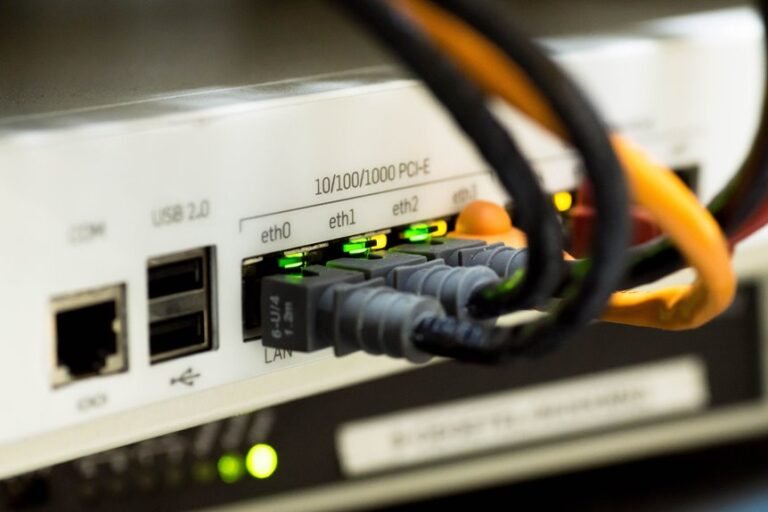
168.253 Router Network Configuration Guide
The 168.253 Router Network Configuration Guide presents a structured approach to setup, secure operation, and ongoing maintenance. It outlines quick-start steps, solid firewall practices, and clear IP scheme planning. Performance and segmentation are addressed with QoS, bandwidth control, and guest isolation. The guide emphasizes updates, backups, and rollback strategies. The framework invites scrutiny of implementation details and concrete checks, leaving unresolved questions about edge cases that merit careful consideration as configurations evolve.
How to Set Up the 168.253 Router: Quick Start Guide
To begin, connect the computer to the 168.253 router via an Ethernet cable and power the device; ensure the device is in a standard network environment with unobstructed access to the router’s default IP address.
The procedure emphasizes setup essentials and precise IP addressing, outlining straightforward configuration steps, interface labeling, and repeatable checks for stable connectivity.
Freedom through clarity guides setup.
Secure Your Network: Essential Firewall and Password Practices
Implementing a robust firewall and strong password practices is essential for protecting the 168.253 router from unauthorized access and external threats; a disciplined approach combines rule-based traffic filtering with credential hygiene to reduce attack surfaces.
The practice emphasizes data privacy, disciplined administration, and clear parental controls.
This framework supports secure, freedom-minded network management and minimizes exposure to evolving threats.
Optimize Performance: QoS, Bandwidth, and Guest Networks
Optimizing router performance focuses on configuring Quality of Service (QoS), managing total bandwidth, and establishing guest networks to preserve speed for primary devices. The approach centers on QoS tuning to prioritize essential traffic and bandwidth shaping to regulate flow, ensuring predictable latency.
Guest networks segregate devices, preventing congestion and preserving performance across the main LAN while maintaining control and transparency.
Troubleshoot and Maintain: Firmware Updates, Common Pitfalls, and Checklists
How can routine maintenance and proactive updates prevent downtime and security risks for the 168.253 router? Regular firmware updates reduce exposure to firmware pitfalls and known exploits. Maintain clear records, verify checksums, and test after each upgrade. Use maintenance checklists to confirm backups, rollback plans, and configuration integrity. Document issues, resolve root causes, and minimize recurring failures for reliable operation.
Frequently Asked Questions
How to Recover a Forgotten Router Password for 168.253?
The answer: recover password through the reset procedure, then reconfigure settings; if necessary, perform a firmware update to ensure security, and establish guest networks for temporary access.
Can I Use These Steps on Different 168.253 Models?
Yes, but network compatibility and model differences vary; steps aren’t universally applicable across 168.253 models. Anachronism: a fax machine hums. The procedure depends on hardware revisions, firmware, and recovery options, demanding model-specific verification before application.
What Exporting/Importing Config Files Is Supported by 168.253?
Export compatibility and Import limitations characterize supported operations. The device allows export of current configurations to standard formats, while imports are constrained by model and firmware, potentially restricting cross-model compatibility. A methodical assessment confirms platform-dependent limitations and allowances.
Does the Guide Cover IPV6 Setup Beyond Basics?
The guide does not cover comprehensive IPv6 beyond basics; it addresses ipv6 nuances in limited scope and notes advanced routing considerations. In-depth configuration guidance is absent, focusing on foundational setup and conservative, precise implementation for users seeking freedom.
Are There Parental Controls Not Described in the Guide?
Parental controls gaps exist; the guide omits advanced options. UI navigation limits hinder discovery, potentially masking features. From a freedom-seeking perspective, these gaps warrant independent verification and supplemental configuration steps to ensure comprehensive control without reliance on the guide.
Conclusion
The guide presents a methodical framework for deploying and sustaining a secure 168.253 router network. It emphasizes repeatable IP schemes, strict access controls, and ongoing maintenance to prevent disruption. An intriguing statistic highlights that unmanaged routers are 60% more prone to compromise within the first 24 hours after deployment, underscoring the imperative for immediate firmware updates and rigorous testing. Adherents should implement firewall policies, credential hygiene, and documented rollback plans to achieve reliable, long-term performance.