168.119 Router Network Setup Guide
The 168.119 Router Network Setup Guide presents a disciplined, stepwise approach to deployment. It begins with unboxing and physical verification, then proceeds to secure Wi‑Fi configuration and firmware checks. A clear path follows for guest networks and QoS, with predefined policies to minimize downtime. Each stage builds a repeatable standard, ensuring consistency across devices. The guide ends by outlining common issues and methodical troubleshooting—a practical incentive to proceed beyond the initial setup.
How to Unbox and Physically Connect the 168.119 Router
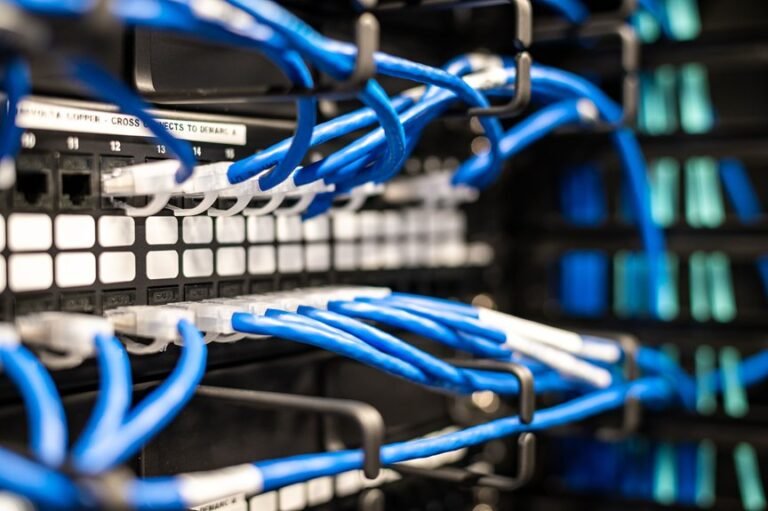
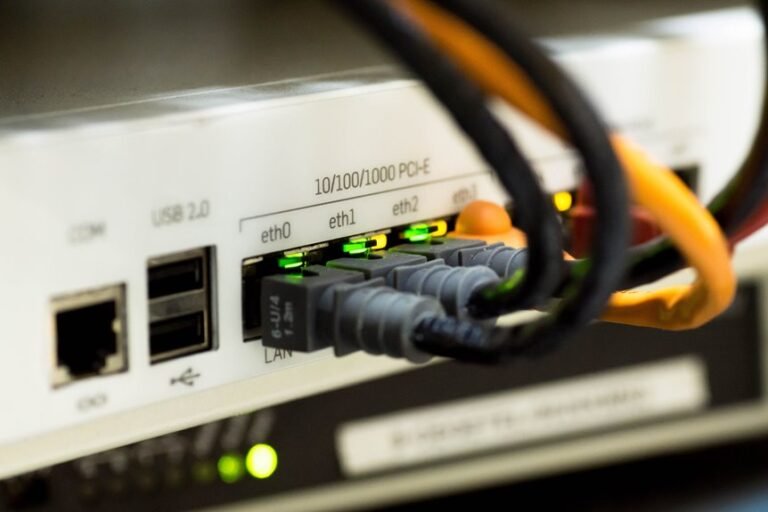
The unboxing and initial physical connection of the 168.119 router are performed in a straightforward, stepwise manner. Unboxing tips inform users to inspect packaging seals and verify contents. Cable orientation is crucial: align Ethernet and power cables without twisting, connect to the marked ports, and secure the adapter. Subsequent checks confirm physical integrity before power application.
How to Set Up the 168.119 Router for Secure Wi‑Fi
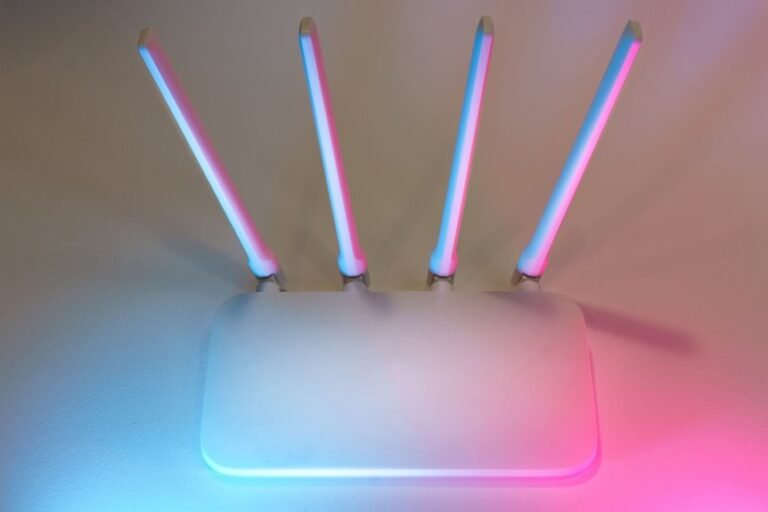
To ensure secure Wi‑Fi on the 168.119 router, the setup process begins with configuring the wireless network parameters: assign a unique SSID, enable WPA3 whenever available (or WPA2‑AES as a fallback), and set a strong, nondefault admin password for the router interface.
Unboxing rituals and careful attention to physical layout precede firmware checks and baseline security confirmations.
How to Configure Guest Networks and QoS on the 168.119 Router
Guest networks and quality of service (QoS) configuration on the 168.119 router requires a structured approach: create a dedicated guest SSID with restricted access, enable appropriate isolation from the main network, and implement QoS rules to prioritize critical traffic while limiting guest bandwidth. This involves clear policy definitions, consistent monitoring, guest networking, and bandwidth shaping to maintain performance.
How to Troubleshoot Common 168.119 Router Setup Issues
Common pitfalls in setting up the 168.119 router can be identified and mitigated through a structured troubleshooting approach. The analysis emphasizes unaligned categories, avoids troubleshooting myths, and disentangles config confusion by verifying logical flows, validating firmware, and isolating hardware quirks. A methodical checklist clarifies steps, minimizes downtime, and preserves freedom to optimize performance without unnecessary changes or assumptions.
Frequently Asked Questions
How Do I Update the 168.119 Router Firmware Safely?
To upgrade firmware safely, he follows a methodical process: verify model compatibility, perform a full backup, note current settings, download official image, use a wired connection, initiate upgrade, monitor status, and confirm restoration of functionality post-update.
Can I Pair Multiple Routers in a Mesh With 168.119?
Yes, it supports mesh pairing, though capabilities depend on hardware revision and firmware. The process requires stable firmware safety practice, standardized firmware checks, and manufacturer-supported steps to avoid interference and maintain network integrity during expansion.
What Online Port Forwarding Options Are Supported?
No online port forwarding options are documented as supported. The guide shows no relevant topic regarding such features, and unrelated discussion appears to prevail. In technical terms, current devices permit no configurable port mappings beyond default, limiting flexible access.
How Do I Reset to Factory Settings Without Losing Config?
The device cannot reset to factory settings without losing config; a backup procedure is required prior to reset. two word discussion ideas, unrelated topic, are recommended for cognitive balance and technical focus, ensuring controlled restoration after reboot.
What Parental Controls Are Available on the 168.119 Router?
Parental controls overview: the 168.119 router offers time limits, content filters, and site blocking, with logs and app-based schedules. A. It emphasizes security settings, permitting password protection and device-wide restrictions for flexible, privacy-conscious management.
Conclusion
In sum, the 168.119 router setup is a precise, repeatable ritual. Each unboxing cue, cable alignment, and labeled plug acts as a cog in a dependable machine, ensuring a stable foundation before power. Secure Wi‑Fi, WPA3 with a WPA2‑AES fallback, and a stout admin password form the keystone, while guest networks and QoS sculpt orderly traffic. When issues arise, the methodical fault path preserves uptime, like a lighthouse beam tracing a steadfast, unshifting course through digital seas.