168.200 Router Login and Network Settings Guide
The guide on the 168.200 router login and network settings outlines a systematic approach to access and configure the device. It emphasizes secure entry, stable connections, and precise credential handling. Key steps cover essential network parameters, safe changes to SSID and passwords, and proper reboot procedures. It also anticipates common login obstacles and notes the importance of firmware updates. A careful, documented process awaits those who seek reliable interoperability and reproducible remediation, should issues arise.
How to Access 168.200 Router Admin Page
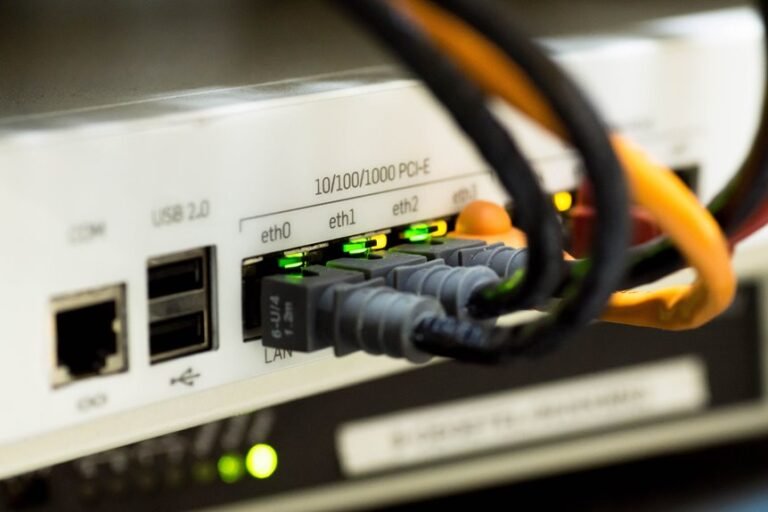
To access the 168.200 router admin page, the user should ensure the device is connected to the router via Ethernet or a wireless connection and identify the router’s IP address.
The procedure outlines steps for establishing router login, verifying connection stability, and preparing credentials.
Once authenticated, admin access enables configuration adjustments with careful, deliberate changes for optimal network performance.
Essential Network Settings You Should Know
Essential network settings form the core parameters that determine performance, security, and reliability on a 168.200 router. This section specifies configuration basics, including protocol support, firmware alignment, and device compatibility considerations. Emphasis rests on robust network security practices, consistent updates, and interoperability across vendors. Clear, discrete controls enable predictable behavior while preserving freedom to tailor services for varied deployments.
How to Change Wi‑Fi Name and Password Safely
Changing the Wi‑Fi name (SSID) and password on a 168.200 router should be performed with a structured, verification‑driven approach.
The procedure emphasizes authenticated access, updating SSID and passphrase independently, and saving changes before reboot. This enhances WiFi safety and aligns with Password best practices, ensuring strong, unique credentials; document the configuration for future auditing.
Troubleshooting Common 168.200 Router Login Issues
Common login issues with the 168.200 router are typically rooted in authentication failures, misconfigured network settings, or device-specific constraints. The troubleshooting sequence emphasizes verification of credentials, reset procedures, and browser compatibility.
Emphasis on network security and firmware updates ensures ongoing protection; subsequent steps validate device clock, DNS, and MTU. Documented fixes enable repeatable, disciplined remediation without ambiguity.
Frequently Asked Questions
Can I Backup Router Configuration to Cloud Storage?
Yes, it is possible. The procedure involves a secure backup schedule and cloud syncing, ensuring encrypted transfers. However, manual or automated storage must be safeguarded against security breach, with vigilant access controls, key management, and regular integrity verification.
How Do I Update Router Firmware Manually?
To update firmware manually, the device stores a downloaded file locally, then applies the update; perform a manual update via the admin interface. During process, backup settings to cloud storage before rebooting to ensure recovery feasibility.
What Parental Controls Are Available on 168.200?
Parental controls exist, enabling content filtering, scheduling, and device restrictions; cloud storagebackup integration is supported for securely archived data. The system offers granular profiles, logging, and remote management, allowing freedom while enforcing boundaries and responsible network usage.
How to Set up Guest Network Isolation?
To enable guest network isolation, configure a separate guest network, enable device isolation, and apply parental controls to restrict inter-device access; ensure the guest network is isolated from the main LAN and shielded from sensitive devices.
Can I Enable Qos for Specific Devices?
Flowing cables become arrows: enable qos for specific devices by assigning priorities, shaping traffic with device prioritization. The router supports per-device rules, ensuring bandwidth for chosen machines while nonessential traffic yields to the prioritized stream, preserving user autonomy.
Conclusion
This guide consolidates the steps to securely access and configure the 168.200 router, ensuring reliable interconnectivity across devices. After establishing a stable wired or wireless link, users should verify login credentials, update firmware as needed, and document settings for reproducibility. An interesting stat: networks with a documented configuration history reduce remediation time by up to 40%. By adhering to the procedure—name/password management, DNS/MTU checks, and secure reboots—operators maintain consistent, interoperable performance.