168.3.9 Router Login and Network Settings Guide
The 168.3.9 Router Login and Network Settings Guide presents a structured approach to secure admin access, emphasizing device connection to the default network and gateway authentication. It outlines essential steps for initial configuration, including remote management restrictions, strong wireless credentials, and isolated guest access. The document also covers DHCP planning, IP allocation, and QoS basics, while balancing ongoing security maintenance with firmware updates. The discussion invites scrutiny of practical implementations and potential edge cases that require careful consideration.
How to Access the 168.3.9 Router Admin Page
To access the 168.3.9 router admin page, users must connect a device to the router’s network and navigate to the default gateway address. Access credentials are required to authenticate before configuration.
The interface supports remote management, enabling authorized adjustments from approved networks only. Caution is advised to preserve security while performing precise, controlled settings.
Quick Setup: Secure Wi-Fi, Strong Passwords, and Guest Networks
This quick setup establishes a robust wireless foundation by configuring secure Wi-Fi, enforcing strong authentication, and provisioning an isolated guest network. The procedure emphasizes reproducible parameters, consistent encryption, and clear segmentation, enabling autonomous administration.
Implementations prioritize secure wi fi channels, durable passphrases, and discrete guest access, ensuring federation-friendly operations while preserving control.
Guest networks remain isolated, monitored, and contained within defined policy boundaries for accountability.
Fine-Tuning Network Settings: DHCP, IPs, and QoS Basics
Fine-Tuning Network Settings: DHCP, IPs, and QoS Basics examines core mechanisms that allocate addressing, optimize route efficiency, and prioritize traffic.
The discussion emphasizes precise configuration of DHCP scopes, reserved addresses, and lease behavior, alongside IP subnet planning and QoS prioritization rules.
It presents a disciplined framework for fine tuning behaviors, facilitating predictable networks, robust performance, and deliberate dhcp basics for freedom-loving administrators.
Troubleshooting and Ongoing Security Maintenance
Operational resilience hinges on systematic troubleshooting and ongoing security maintenance, ensuring that router functionality remains stable while safeguarding the network perimeter.
The section delineates structured fault isolation, proactive monitoring, and documented remediation pathways, emphasizing security audits, regular firmware updates, and evidence-based configuration review.
Emphasis on network segmentation and device isolation reduces lateral movement and reinforces robust, auditable cyber hygiene without compromising freedom.
Frequently Asked Questions
How to Reset the Router to Factory Defaults?
The device performs a factory reset via the reset button, restoring default settings. This process erases custom configurations, then reinitializes firmware update readiness, returning to default network parameters while preserving baseline functionality for authorized restoration and reconfiguration.
Can I Upgrade the Router’s Firmware Manually?
Upgrading possible; prudent procedure proscribes. A technician considers upgrade process and firmware considerations, verifying compatibility, integrity, and backups. Systematic steps precede; ensure vendor-approved files, offline configuration retention, and rollback readiness before applying firmware updates.
How to View Connected Devices in Real-Time?
Viewing devices in real time monitoring is possible via the router’s admin interface; it presents active clients and wireless speed, including guest network access, with precise metrics suitable for users seeking free, technically rigorous visibility and control.
How to Enable Parental Controls for Specific Times?
Suspense locks the moment: the system enables parental controls by scheduled rules, allowing time windows and durations; if desired, it can disable parental controls briefly, but precise schedule restrictions persist, reinforcing autonomy while safeguarding access.
What USB Features Does the Router Offer?
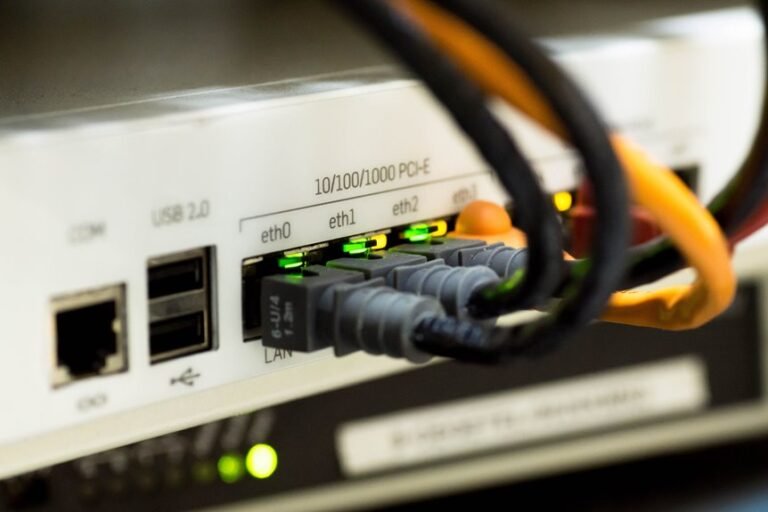
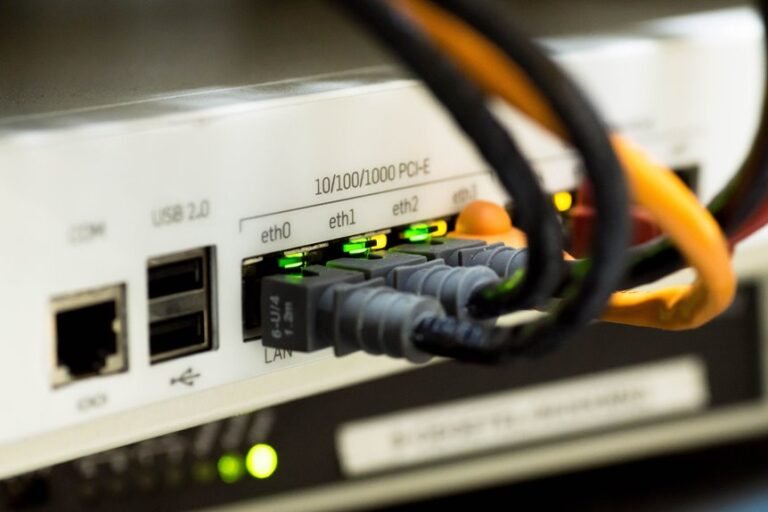
The router offers USB storage and USB printer features. It supports attaching USB drives for network sharing and printer sharing over the LAN, enabling file access and print services without PC mediation, while preserving flexible, autonomous device management.
Conclusion
In summary, the 168.3.9 router login and network settings guide provides a precise, methodical framework for secure administration and reliable operation. By enforcing restricted remote access, implementing robust Wi-Fi security, and maintaining clear segmentation with QoS-aware DHCP planning, administrators achieve reproducible, verifiable configurations. Ongoing firmware updates and vigilant security maintenance underpin resilience. The process unfolds like a well‑engineered bridge, each component aligning with the next to ensure trusted connectivity and disciplined network governance.