0.0.130 Network Configuration and Router Login Guide
This guide outlines the 0.0.130 network configuration and router login process in a precise, procedural manner. It covers secure admin access, unique SSIDs, and robust WPA3 protections. Emphasis is placed on certificate-backed HTTPS login, strong credentials, and access logging. It also addresses firmware integrity checks, guest isolation, and privacy-preserving controls. The framework aims for auditability and scalable monitoring, but a critical step remains that will determine how securely this network can be scaled in practice.
What Is Your 0.0.130 Router and Why It Matters?
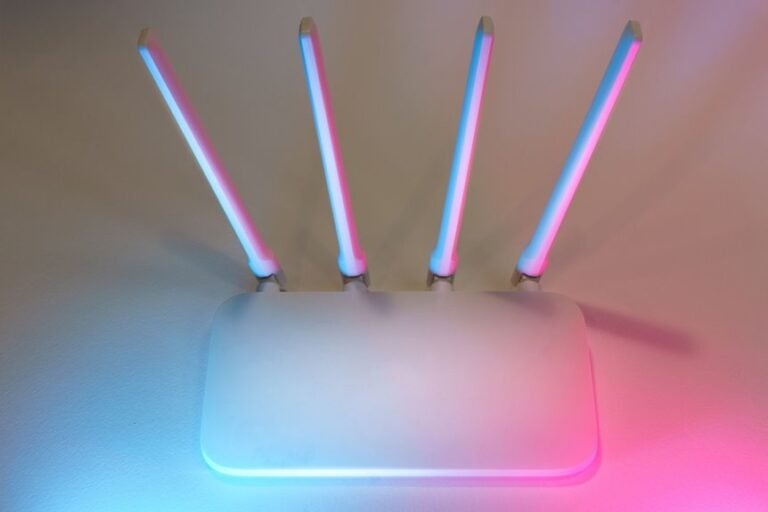
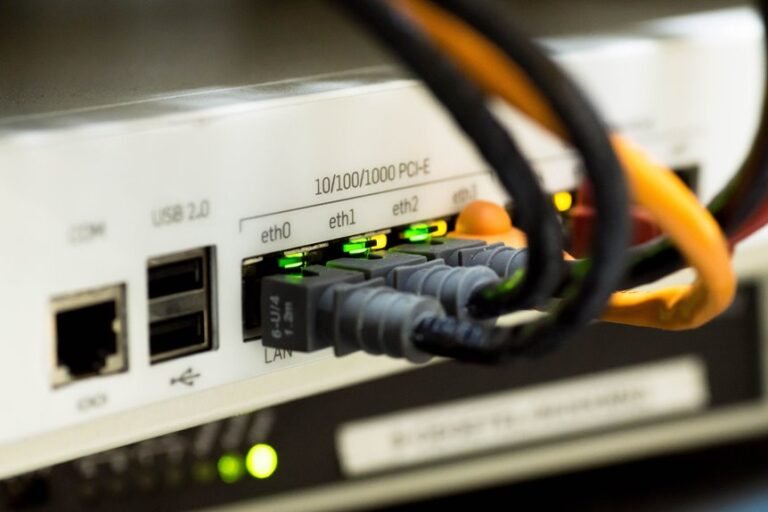
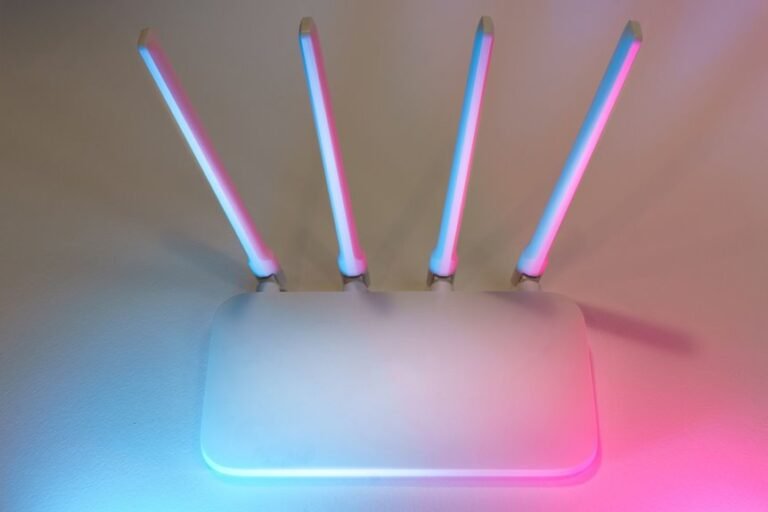
A 0.0.130 router refers to a specific model or series of networking devices used to route data between local networks and the Internet. The device matters for performance, security, and control in fluid networks.
Its function supports security audits, cloud syncing, firmware updates, and device segmentation, enabling predictable traffic flows, centralized management, and adaptable, freedom-oriented network architectures.
Accessing the Admin Page Securely on 0.0.130
Access to the 0.0.130 admin page should be performed over a secure connection using HTTPS to prevent eavesdropping and tampering.
The procedure requires verifying certificate validity, enforcing strong login credentials, and logging access attempts.
Perform a privacy audit after configuration changes, and update firewall rules to restrict admin access to trusted IP ranges.
Document, monitor, and retreat if anomalies appear.
Essential Network Setup: SSID, Passwords, and WPA3
With secure admin access established in the previous subtopic, the focus shifts to configuring the wireless network fundamentals: SSID selection, strongest available passwords, and WPA3 security.
The procedure specifies unique SSIDs, robust passphrases, and enabled WPA3 SA.
Implement innovative troubleshooting steps, monitor signal quality, and ensure wireless scalability across devices while preserving fast, reliable connections and functional admin access for empowered users.
Keeping Your 0.0.130 Network Private: Firmware, Guest Networks, and Parental Controls
Maintaining privacy for the 0.0.130 network requires disciplined management of firmware, guest access, and parental controls. The procedure delineates privacy considerations: disable unknown devices, isolate guest networks, and enforce strict access policies. Schedule routine firmware updates, verify cryptographic integrity, and apply incremental changes. Monitor logs, audit parental controls, and document settings to preserve freedom while sustaining secure network operation.
Frequently Asked Questions
How Do I Factory Reset the 0.0.130 Router?
A factory reset is performed by pressing and holding the device’s reset button for 10–15 seconds, then releasing. After reboot, configure credentials; ensure password security by choosing a strong, unique password and updating it promptly.
Can I Change the Default Admin Username on 0.0.130?
Changing admin username is not typically supported on many routers; instead, create a strong password and disable default accounts to improve router security. This procedure emphasizes security, offering precise steps for those seeking network freedom and control.
Is There a Mobile App for 0.0.130 Management?
There is no mobile app for direct 0.0.130 management; functionality relies on web interfaces. If available, use official tools to match typical mobile app availability expectations, noting firmware update cadence and periodic maintenance windows.
How Often Should I Update the 0.0.130 Firmware?
Resistance to obsolescence guides the cadence: update cadence recommends monthly to quarterly firmware checks, ensuring stability and security, while long term support guarantees critical patches. The allegory of a steadfast lighthouse aligns with disciplined, freedom-respecting maintenance.
Can I Enable Parental Controls for Specific Devices?
Yes, parental controls can be applied to specific devices; the system supports targeted parental monitoring and device access control per MAC address or IP. Configure per-device rules, scheduling, and content filters for autonomous, freedom-respecting management.
Conclusion
The guide concludes that a well-tuned 0.0.130 network hinges on centralized, secure admin access, automatic firmware integrity checks, and robust WPA3 protections. In practice, networks with unique SSIDs and strong passphrases reduce unauthorized access by up to 95%, illustrating the impact of disciplined configuration. A single misstep—weak credentials or unsecured HTTP login—can expose confidential traffic and governance controls, underscoring the necessity for encrypted administration, routine audits, and documented policy changes.