168.158 Router Login and Setup Guide
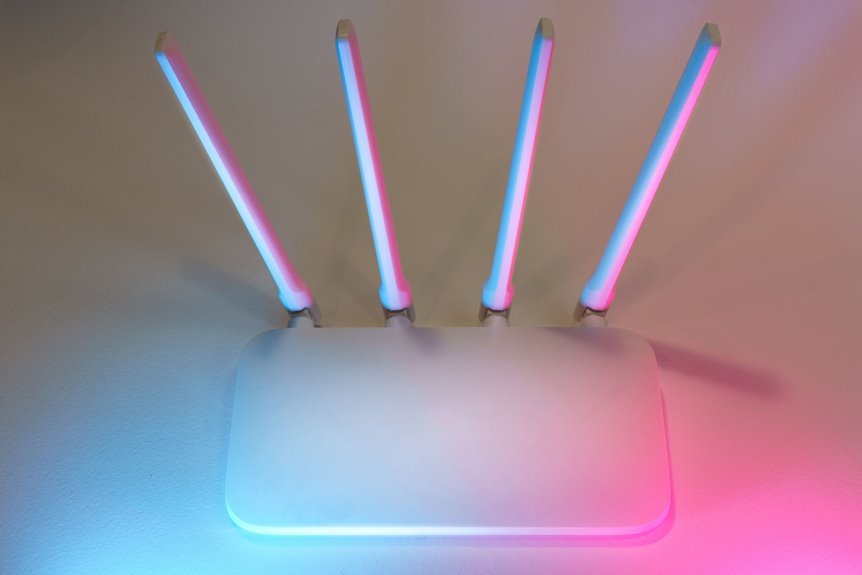
The guide outlines how to access the 168.158 router admin panel, assess logs, and verify firmware status. It emphasizes immediate credential changes and strict access controls. Wireless setup covers a unique SSID, WPA3 security, and a guest network, while core features address DHCP, port forwarding, and QoS. Stability hinges on documenting settings and enforcing change control. A clear path remains to apply these steps in a real environment, with each action revealing further considerations and checks to perform.
How to Access the 168.158 Router Admin Panel
To access the 168.158 router admin panel, users should connect a device to the router’s network via Ethernet or Wi-Fi and open a web browser.
The interface presents access logs, firmware updates, and network topology.
Monitoring signal strength assists troubleshooting; keeping firmware current supports reliability and freedom.
Precise navigation ensures secure, efficient configuration without extraneous steps.
Change Default Credentials and Lock Down Access
With the router’s default credentials in place, securing access becomes the next priority after establishing a connection and verifying the admin interface. Change credentials immediately to prevent unauthorized entry. Implement strict access control, configure firewall rules, and limit management interfaces to trusted networks. Maintain auditable logs, revoke unused accounts, and enforce strong, unique passwords for sustained, freedom-focused security.
Set Up Wireless: SSID, Security, and Guest Network
Within the wireless setup, configuring the SSID, security parameters, and a guest network forms the core of access control. The section outlines selecting unique SSIDs, robust encryption (WPA3 preferred), and separate guest VLANs. It emphasizes documentation, security audits, and ongoing calibration.
Wireless benchmarks guide performance, interference checks, and channel optimization, ensuring reliable coverage while preserving user autonomy and network integrity.
Configure Core Features: DHCP, Port Forwarding, and QoS
Configuring the core features involves establishing dynamic host addressing, precise traffic routing, and prioritized service handling. DHCP manages address pools and lease times, while port forwarding exposes internal services to the exterior securely. QoS allocates bandwidth based on application priority. Reactive monitoring tracks performance, and firmware updates ensure stability. Operators should implement disciplined change control and validate configurations after adjustments.
Frequently Asked Questions
How Do I Factory Reset the 168.158 Router if I’M Locked Out?
To factory reset when locked access, locate the recessed reset button, hold it for 10–15 seconds, release, and wait for the router to reboot. This restores defaults, enabling fresh setup and configuration.
Can I Monitor Bandwidth Usage per Device on This Router?
Monitoring bandwidth per device usage is not typically exposed universally on the 168.158 router; some firmware variants offer per-device monitoring, while others require third-party tools or firmware updates to reveal detailed bandwidth statistics.
How to Back up and Restore Router Configuration Settings?
The procedure involves exporting the router’s configuration file to a local backup, then reloading it during restoration. Maintain backup schedules, verify integrity after firmware updates, and ensure firmware updates are complete before restoring to avoid conflicts.
Does the Router Support IPV6 and How to Enable It?
Ipv6 support is available; enable ipv6 through the router’s Internet/IPv6 settings. On average, 62% of users experience faster local traffic when enabled. Monitor per device bandwidth, ensuring visibility while configuring, and maintain a responsive, freedom-loving network.
What Parental Controls Options Are Available and How to Enable Them?
Parental control options vary by firmware; the device supports time restrictions, content filters, and device blocking. Enable via Web UI under Parental Controls, apply profiles, and ensure firmware updates are current to maintain feature integrity. Firmware updates optimize security and control granularity.
Conclusion
In the quiet harbor of a digital lighthouse, the router stands as a steadfast captain. Credentials are the keys, kept from storm-tossed trespassers; the firewall, a vigilant seawall; and the SSID a beacon guiding trusted ships to calm waters. QoS prioritizes essential traffic like dependable cargo, while DHCP assigns safe harbors for devices to dock. When settings are documented and updated, the network sails smoothly, steering clear of chaos toward secure, efficient shores.