169.254.254 Router Login and Network Configuration Guide
The guide explains how devices fall back to 169.254.254 addresses when DHCP fails, enabling basic link-local communication with limited scope. It identifies typical causes such as DHCP errors, gateway misconfigurations, and faulty cables, then offers concise, practical fixes. It provides a safe, direct path to admin access over a wired link, with emphasis on secure authentication and session hygiene. The discussion ends with strategies to strengthen reliability and privacy, inviting the reader to proceed with caution.
What 169.254.254 Really Means for Home Networks
169.254.254 is an Automatic Private IP Address (APIPA) used by devices to self-assign an address when a DHCP server is unavailable. The mechanism supports immediate local connectivity without external routing, promoting resilience. In home networks, this yields limited reachability, emphasizing network isolation and link local concepts. Understanding APIPA clarifies failure modes and preserves basic device communication during outages.
Why You Land Here: Causes and Quick Fixes
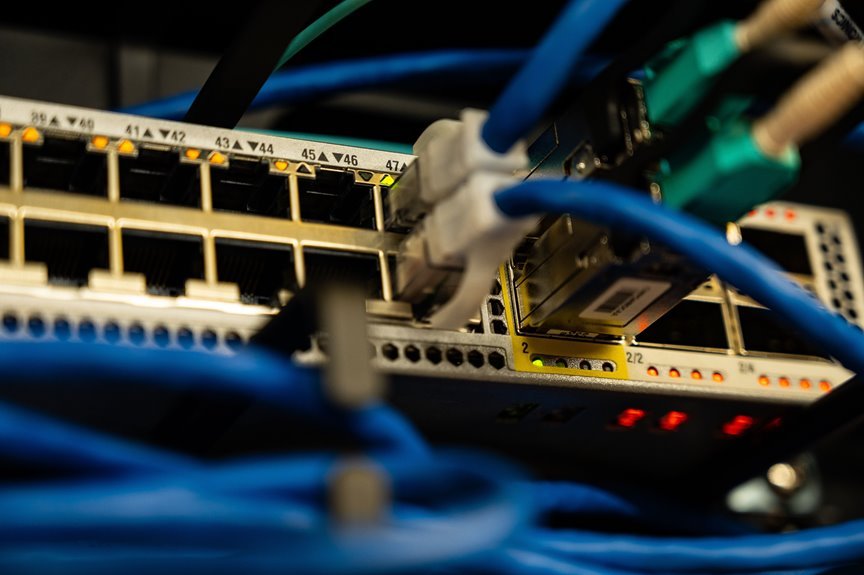
In home networks, devices arrive at an APIPA address when the DHCP server is unreachable or the DHCP process fails to complete, causing automatic self-assignment to a link-local range. Causes include gateway misconfiguration, cable or port faults, or DHCP scope exhaustion.
Quick fixes emphasize rapid verification: network isolation checks, device discovery, and ensuring proper DHCP responses, then reintroducing normal addressing.
Step-by-Step Login and Admin Access Safely
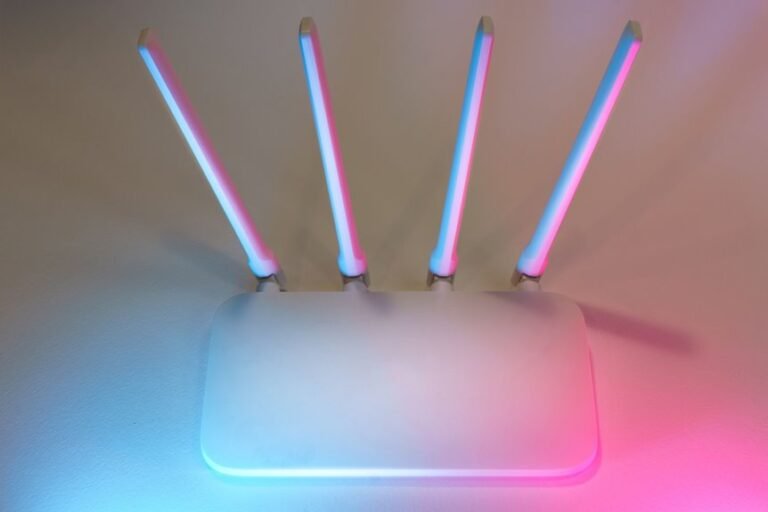
Access to the router administration interface should proceed via a direct, wired connection using a known IP address, default gateway, or host name. The procedure outlines authenticated login, role separation, and safe session handling. SSH access is preferred for remote tasks, with strict key management. Perform firmware backups beforehand, verify integrity, and store securely to prevent configuration loss or tampering.
Tuning Network Settings for Reliability and Privacy
Tuning network settings for reliability and privacy focuses on stabilizing connectivity and restricting exposure to external risks through deliberate configuration choices. The guidance emphasizes network isolation, ensuring devices share a controlled segment and reduce broadcast domains, while minimizing DNS leakage by enforcing secure DNS practices and blocking unsolicited DNS responses. Precision configurations support freedom through predictable, trustworthy network behavior.
Frequently Asked Questions
How to Tell if 169.254.254 Is the Router’s Default Gateway?
A researcher notes that 169.254.254 is often APIPA, not a gateway; to verify, check routing tables, default gateway settings, or traceroute results. If absent, unrelated topic,irrelevant discussion arise regarding network design and independence.
Can I Change the 169.254.254 IP Without Losing Connectivity?
Yes, it is possible but risky: changing a link-local 169.254.254 IP may disrupt wireless safety and trigger IP collision unless a managed DHCP/static plan is prepared, ensuring immediate fallback connectivity and seamless migration of devices.
Is 169.254.254 Used in Wired or Wireless Networks Only?
169.254.254 is a link-local address usable in both wired and wireless contexts. It appears when no DHCP server is available. For study tips and network theory, practitioners analyze its scope, behavior, and transition patterns while maintaining freedom in experimentation.
What Safety Risks Appear When Exposing 169.254.254 to the Internet?
Exposing 169.254.254 to the internet introduces privacy implications and undermines network isolation; a single misconfig yields exposed devices, like a lighthouse beacon in fog. It erodes trust, amplifies attack surfaces, and challenges effective local containment.
Which Devices Commonly Collide on 169.254.254 Networks?
In 169.254.254 networks, devices collisions commonly occur between DHCP clients, printers, and IoT endpoints when link-local addressing overlaps; such events compromise network isolation, demanding disciplined addressing policies and strict client segmentation to preserve independent operation and security.
Conclusion
Conclusion (75 words, third-person, juxtaposition, technical and concise):
In quiet corridors of home networks, APIPA whispers reliability from scarcity, a fallback that preserves local reach when DHCP falters. Meanwhile, robust configurations—SSH-secured access, backups, and isolated broadcast domains— pledge enduring privacy and control. The juxtaposition reveals two ends of the same spectrum: the immediacy of self-assigned addresses sustaining connectivity, and the discipline of deliberate administration ensuring stability, trust, and predictable performance across daily digital rhythms.