168.180 Router Configuration Guide
A disciplined approach to the 168.180 router configuration begins with exact model identification and a clean connectivity map. Security basics are established through robust admin access and unique credentials. Firmware updates are planned with integrity checks and rollback options, while remote management is evaluated for necessity. Wi‑Fi optimization follows deliberate AP placement and non-overlapping channels, paired with spectrum monitoring. Governance for parental and device controls is set in, and events are logged to validate outcomes, inviting further scrutiny.
How to Identify Your 168.180 Router Model and Connectivity Setup
To identify a 168.180 router model and its connectivity setup, begin by locating the physical device labels and hardware indicators.
The process emphasizes identifying router models, documenting model numbers, serials, and firmware revision.
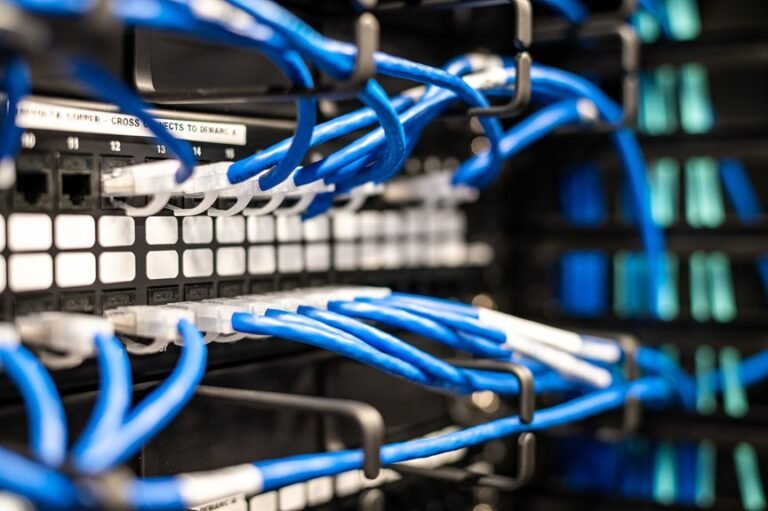
It covers connectivity setup basics, noting port configurations, Ethernet and WAN status.
Security essentials, firmware updates, wi fi optimization, and parental controls are considered for comprehensive readiness.
Quick Security Essentials for the 168.180 Router
Given the 168.180 router model, quick security essentials focus on establishing a robust baseline: enable strong administrative access controls, update firmware to the latest version, and configure a non-default, unique admin password. The assessment highlights security flaws, emphasizes preventing default credentials, enables performance tuning, and supports guest networks while maintaining disciplined security governance and auditable change management.
Step-by-Step 168.180 Firmware Update and Reliability Tweaks
A careful, methodical approach governs the 168.180 firmware update process, ensuring reliability and repeatability across devices. The procedure defines update cadence, schedules maintenance windows, and validates integrity through checksums and rollback points. It supports remote management, cataloging firmware versions and anomaly logs. Minimal downtime is planned, with deterministic steps and verifiable success criteria for consistent deployments.
Optimize Wi‑Fi Coverage and Parental/Device Controls With 168.180
Optimizing Wi‑Fi coverage and enforcing parental/device controls with the 168.180 system centers on a structured deployment of access points, channel planning, and policy enforcement.
The approach emphasizes deliberate placement, spectrum awareness, and continuous monitoring.
Wi Fi optimization relies on objective metrics, while Parental controls performance is validated through rule accuracy, reporting fidelity, and adaptive bandwidth management for a transparent, freedom-conscious network.
Frequently Asked Questions
How Do I Reset the 168.180 Router to Factory Defaults?
A factory reset is performed by initiating the reset procedure through the device’s physical button or management interface, restoring default settings. This reset procedure erases custom configurations, requiring reconfiguration for network security, access controls, and subsequent device management.
What Is the Typical Router IP Address for Admin Access?
The typical admin IP is 192.168.0.1 or 192.168.1.1. Two word discussion ideas: governance chaos. This precise, methodical note asserts standard access, while subtly satirizing the routine, honoring an audience seeking freedom through clear, repeatable configuration workflows.
How Can I View Connected Devices on the Network?
To view connected devices, the user should access the router’s admin interface, navigate to the connected devices page, and observe active clients. This includes viewing guest network activity and monitoring Wi Fi signal strength for each device.
How Do I Back up and Restore Router Configuration Settings?
Backup concepts and restore workflows are outlined: the procedure involves exporting current router configuration, storing it securely, and applying a saved file to recover settings after hardware changes or firmware updates, ensuring minimal downtime and verifiable integrity.
What Parental Controls Aren’T Supported on 168.180?
Unrelated features and nonessential settings are not supported. The system omits parental controls, prioritizing core networking functions. For users seeking freedom, this means manual content filtering and third-party DNS-based controls remain outside native 168.180 capabilities.
Conclusion
The 168.180 router configuration guide culminates in an ultra-precise blueprint that, when followed, guarantees rock-solid security, immaculate firmware hygiene, and flawless connectivity. Each step—from model labeling to firmware integrity checks and automated policy enforcement—operates like a calibrated instrument, pushing reliability to remarkable extremes. As channels align and parental devices synchronize, the network becomes an ironclad fortress with seamless coverage and auditable outcomes. In short, meticulous governance yields unwavering performance and unmatched control.