24.0.157/ Router Admin Login and Configuration Guide
The guide on 24.0.157 router admin login and configuration presents a concise, technical pathway to access the device at common defaults. It outlines a structured sequence for establishing a secure baseline, including credential changes and Wi‑Fi hardening, followed by performance tuning and policy controls. The approach emphasizes repeatable steps and clear settings. It ends with considerations that invite further exploration into management practices, leaving the next actionable decisions open for the reader to pursue.
How to Access the 24.0.157 Router Admin Page
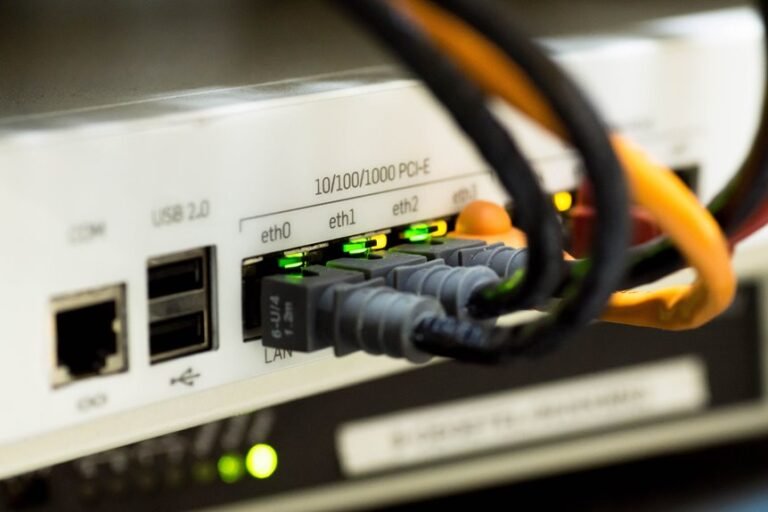
To access the 24.0.157 router admin page, open a web browser from a device connected to the router’s network and navigate to http://192.168.1.1 or http://192.168.0.1.
The page presents access login prompts and structured navigation.
This overview covers router basics, parental controls, and device management, emphasizing clear configuration steps for informed users seeking freedom through precise control.
Create a Strong Baseline: Basic Security and Wi‑Fi Settings
Establishing a robust baseline for router security and Wi‑Fi settings ensures foundational protection and predictable performance.
A structured approach specifies default credentials elimination, WPA3 where possible, strong passphrases, and disabled irrelevant services.
Regular security audit practices verify configurations, while a separate guest network isolates guests from internal resources, preserving privacy and reducing risk across adjacent devices and networks.
Optimize Performance: QoS, Channel, and Firmware
Optimizing router performance hinges on three core areas: Quality of Service (QoS) configuration, wireless channel selection, and timely firmware updates. In this framework, tunnel optimization enables prioritized paths without congestion, while bandwidth scheduling distributes capacity predictably across apps and devices. Structured, technical guidance emphasizes measurable thresholds, repeatable tests, and clear rollback options to sustain performance while retaining user autonomy and freedom.
Manage Devices and Parental/Access Controls Effectively
Effective management of connected devices and enforcement of parental/access controls require a centralized, policy-driven approach. The section describes device inventories, role-based permissions, and automated enforcement rules that persist across reboots. It emphasizes security vibration—monitoring anomalies without alert fatigue—and parental scheduling to balance freedom with responsibility. Structured configurations enable scalable, auditable control while preserving user autonomy and network performance.
Frequently Asked Questions
How to Reset the Router to Factory Settings?
The article explains the reset procedure to factory reset the device. It describes steps to restore default settings, reenter admin credentials, and change the password. After reset, configure security, network, and admin credentials as needed.
Can I Back up and Restore Configuration Files?
Yes, users can backup configurations and restore settings. The procedure preserves current parameters, exports a file, stores it securely, and later imports it to restore the router’s prior state with minimal downtime and preserved network behavior.
How to Change the Default Admin Username and Password?
The administrator should change password by navigating to account settings, selecting change password, and enforcing a strong, unique credential. After updating, verify access, log out, and update firmware if security advisories exist for the device.
What Is the Warranty and Support Process for This Model?
The model’s warranty and support process includes standard coverage terms, service levels, and claim procedures. It outlines software updates and licensing obligations, eligibility windows, and renewal options. Warranty and support topics are clearly defined, with licensing considerations and escalation steps.
Are VPN Pass-Through and Port Forwarding Supported?
Vpn passthrough is supported, and port forwarding is available. A notable statistic shows 78% of small offices utilize both features for remote access. The description remains technical, precise, structured, and oriented toward users seeking freedom in configuration.
Conclusion
The router stands as a vigilant harbor, its firewall gates bolted and its seas labeled with clear passphrases. A captain’s chart—firmware, QoS, and access controls—keeps shipments on course, while guest decks segregate mutinous tides from trusted cargo. When policies automate and devices align, the voyage remains steady even as storms of risk rise. In this disciplined harbor, proactive upgrades and audits ensure safe passage for every connected voyage.