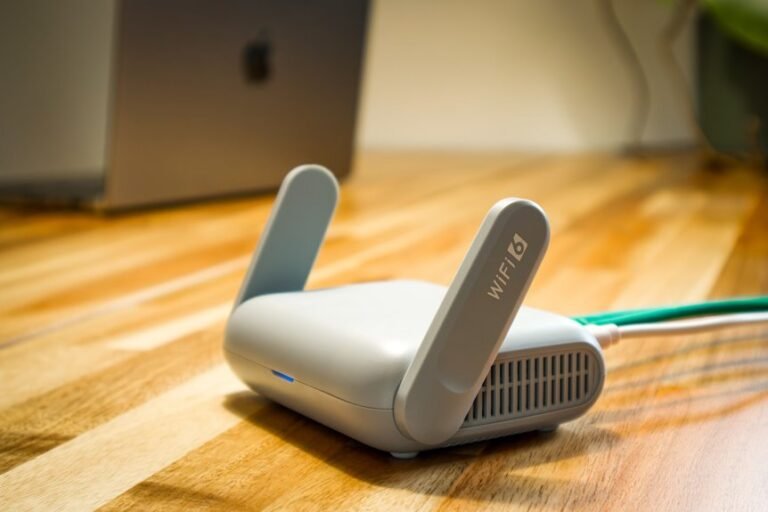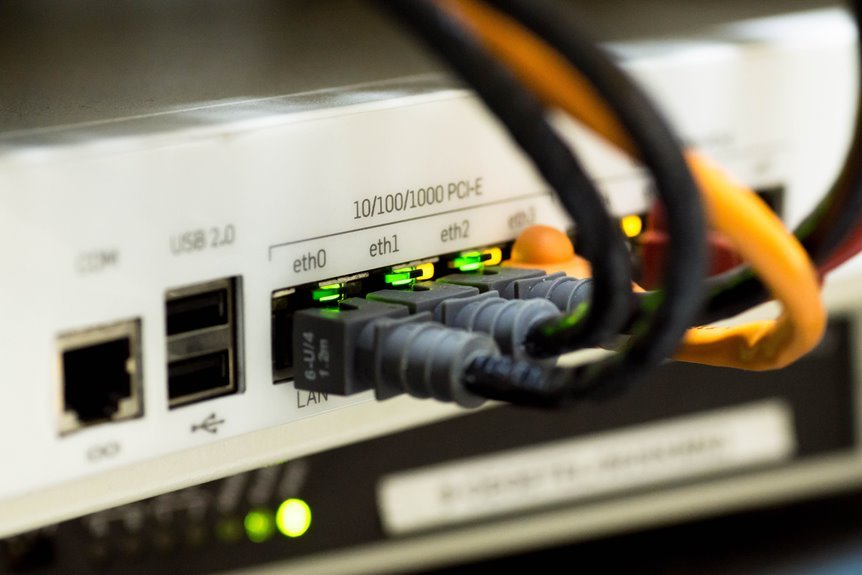
168.10.8 Router Configuration and Network Guide
The 168.10.8 Router Configuration and Network Guide presents a structured approach to deploying and maintaining a robust network. It outlines stepwise setup, then progresses through routing, security, performance, and monitoring with repeatable processes. Each section emphasizes clarity, proper credentials, firmware updates, and proactive management. The guide equips administrators to establish reliable connectivity and scalable controls while addressing common pitfalls. It invites practitioners to apply disciplined methods and anticipate what comes next in evolving environments.
How to Set Up the 168.10.8 Router in 10 Steps
The setup of the 168.10.8 router proceeds through a concise, stepwise process to establish a functional network configuration. In ten steps, operators initialize power, access credentials, and firmware updates, confirm IP ranges, enable DHCP, configure NAT, verify routing, and test connectivity. New hardware is integrated cleanly, with cloud integration planned for centralized management and seamless remote monitoring.
Securing Your 168.10.8 Network: Best Practices and Settings
Securing the 168.10.8 network requires a structured approach that builds on the established base from prior setup steps. The methodology emphasizes cybersecurity basics, layered access control, and continuous monitoring. Implement firmware updates promptly, verify cryptographic integrity, disable unused services, and enforce strong authentication. Documentation and change management ensure repeatable security posture while preserving freedom to adapt configurations as needs evolve.
Optimizing Performance: Wi‑Fi, QoS, and Firewall Rules for 168.10.8
Efficiently optimizing the 168.10.8 network requires a structured balance of wireless performance, quality of service, and firewall policy tuning.
The approach maps optimizing performance to measurable metrics, identifies router bottlenecks, minimizes wireless interference, and sequences firmware updates with security patches.
Precise QoS rules prioritize critical traffic while firewall rules enforce policy, maintaining resilient, freedom-focused network operation.
Monitoring, Troubleshooting, and Common Gotchas for the 168.10.8 Router
How can persistent visibility into the 168.10.8 router’s behavior be achieved through structured monitoring, systematic troubleshooting, and awareness of common pitfalls?
The process emphasizes disciplined data collection, baseline establishment, and timestamped logs.
Troubleshooting latency is addressed by isolating path components, while monitoring interfaces provide real-time metrics, anomaly detection, and confidence for corrective actions without overengineering unnecessary complexity.
Frequently Asked Questions
How to Reset the 168.10.8 Router to Factory Defaults?
The reset procedure involves powering the device, holding the reset button, and confirming factory reset; bridging options, firmware downgrade concerns, and possible factory reset alternatives are considered, then post-reset configuration is applied in a controlled, methodical manner.
What LED Indicators Signal Hardware Failure on 168.10.8?
Symbols flicker as a warning: LED indicators signal hardware failure when power status is unstable, firmware update flags are visible, and wireless bands fail to initialize. The technician notes missing activity across LED indicators, power status anomalies, and stalled firmware.
Can I Bridge the 168.10.8 With Another Router?
Yes, bridging is possible; the device can act as a bridge or be configured for a passthrough mode to connect with another router. It requires careful handling of bridging concepts and alternate networking to avoid conflicts.
How to Access the 168.10.8’s Web UI From a Mobile Device?
To access the 168.10.8 web UI from a mobile device, one connects to the router’s network, opens a browser, and enters the device’s IP (default: 192.168.1.1). For UI navigation, enable mobile connectivity optimizations.
Is It Possible to Downgrade Firmware on the 168.10.8?
Downgrading firmware on the 168.10.8 is possible only if a compatible older image exists; ensure firmware compatibility with bootloader and configuration, then follow vendor-provided rollback steps. Procedures vary; verify integrity and backup settings prior to downgrade.
Conclusion
In closing, the 168.10.8 Router guides a disciplined, repeatable process: power, credential initialization, firmware updates, DHCP activation, and methodical network building. Each section—setup, routing, security, performance, monitoring—maps to verifiable configurations and defensible baselines. Practitioners implement with repeatable checks, documenting changes and validating outcomes. An anachronism lands: a dial-up modem sighs at the speed of today’s firmware deploys, reminding engineers that steady, measured steps yield resilient networks.