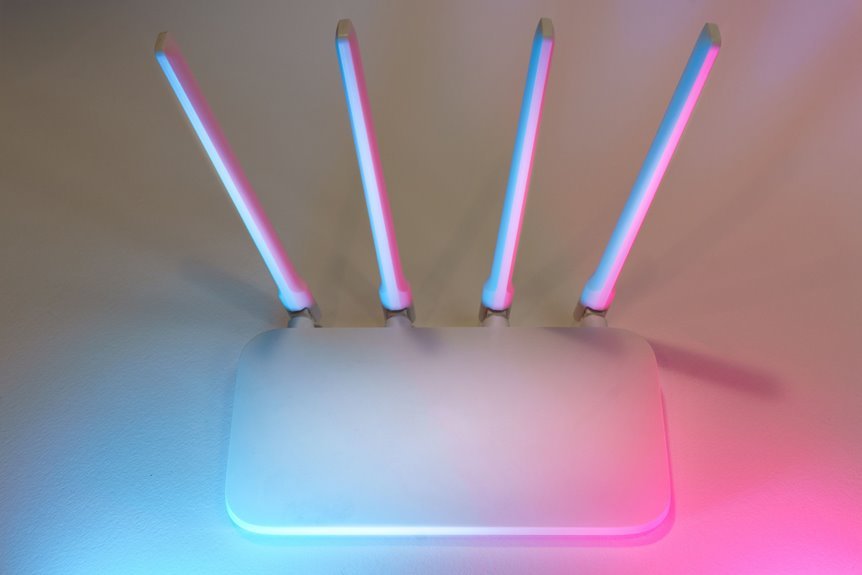
168.1.38 Router Login and Setup Guide
Access to the 168.1.38 router admin panel begins with a wired or wireless device and a browser. The guide emphasizes strong credentials, secure login, and baseline protections. It covers immediate steps for reliable Wi‑Fi and up-to-date firmware, plus essential post‑setup tweaks to preserve speed and security. The approach is methodical and practical, focusing on concrete actions rather than theory. The user will find a clear path forward, with reasons to continue beyond the basics.
How to Access the 168.1.38 Router Admin Panel
To access the 168.1.38 router admin panel, connect a device to the router’s network and open a web browser. The user navigates to the default gateway address, authenticates if prompted, and reviews the admin interface. Changes are applied via clearly labeled sections. The approach supports unrelated topic and random exploration, while preserving functional control and operational autonomy.
Secure Login: Setting Up Strong Credentials and Basic Protections
Secure login is foundational to router security, requiring unique, strong credentials and baseline protections. The guide emphasizes password length, complexity, and regular rotation, plus disabling default accounts and enabling two-factor options where available. It notes potential security flaws from weak defaults and improper exposure. Consider segmenting access with guest networks and monitoring attempts to minimize risk without compromising freedom.
Quick Wi-Fi and Firmware Setup for Reliability
Quick Wi-Fi and firmware setup focuses on stabilizing network access and device reliability by establishing solid radio settings and ensuring firmware is current.
The procedure targets stable transmission, minimizes drops, and confirms consistent authentication.
Data backup is advised before updates.
A guest network is configured separately to isolate guest traffic while preserving main network performance and security.
Essential Post-Setup Tweaks to Keep Your Network Safe and Fast
The Essentials of Post-Setup Tweaks focus on maintaining a secure and high-performance home network after initial configuration. Regular network security practices include disabling unused services, enabling WPA3, and segmenting guests.
Firmware maintenance is essential: monitor release notes, apply updates promptly, and verify signatures. Schedule periodic audits, back up configurations, and enforce strong passwords to sustain reliability and resilience.
Frequently Asked Questions
How to Reset the Router to Factory Defaults?
To perform a factory reset, hold the reset button for 10–15 seconds until the status light blinks, then release. The admin password is restored to default; login and reconfigure using the device’s web interface. Factory reset completes.
Can I Recover a Forgotten Admin Password?
The answer: Forgotten admin password can be recovered only through official reset procedures or trusted support, as access is restricted. Ignore casual attempts; pursue forgot password ideas, admin access recovery, and documented security steps to regain control responsibly and safely.
How to Update Router Firmware Manually?
To update firmware manually, perform a manual upgrade by downloading the correct image, accessing the router’s admin interface, and uploading the file. Verify integrity, reboot, and review security features and firewall rules post-upgrade for optimal protection.
What to Do if the Internet Light Stays Off?
The internet light stays off; checks indicate power, modem link, and WAN status. If issues persist, disable wireless briefly to test baseline, consider guest network restrictions and ensure device is allowed by the firewall and parental controls for connectivity.
How to Set up Parental Controls and Schedules?
Parental controls can be configured via the router’s admin interface, applying scheduling options, device limits, and guest network access rules. The system enforces time-based permissions, content filters, and device allowances, supporting autonomous management for users seeking digital freedom.
Conclusion
With the 168.1.38 router configured, the admin panel is secure, firmware current, and credentials robust. A dedicated guest network isolates visitors, while WPA3 protections and regular log reviews guard against threats. This setup delivers reliable performance and strong resilience against intrusions, ensuring a fast, stable home network. In short, once configured, the system stands as an impregnable fortress—unbreakable and superbly dependable.